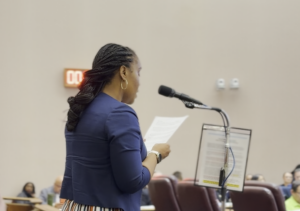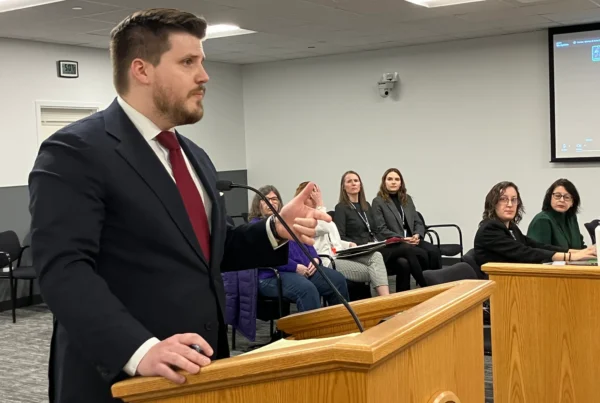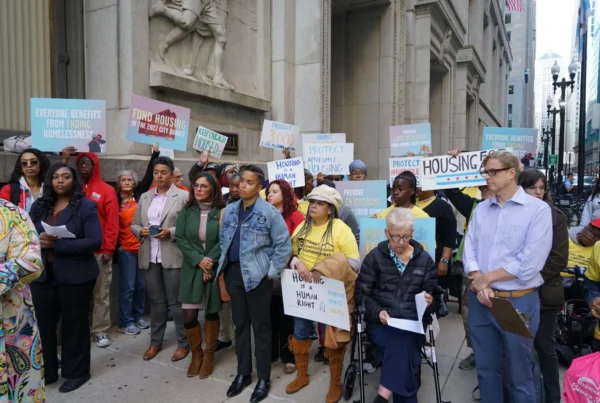

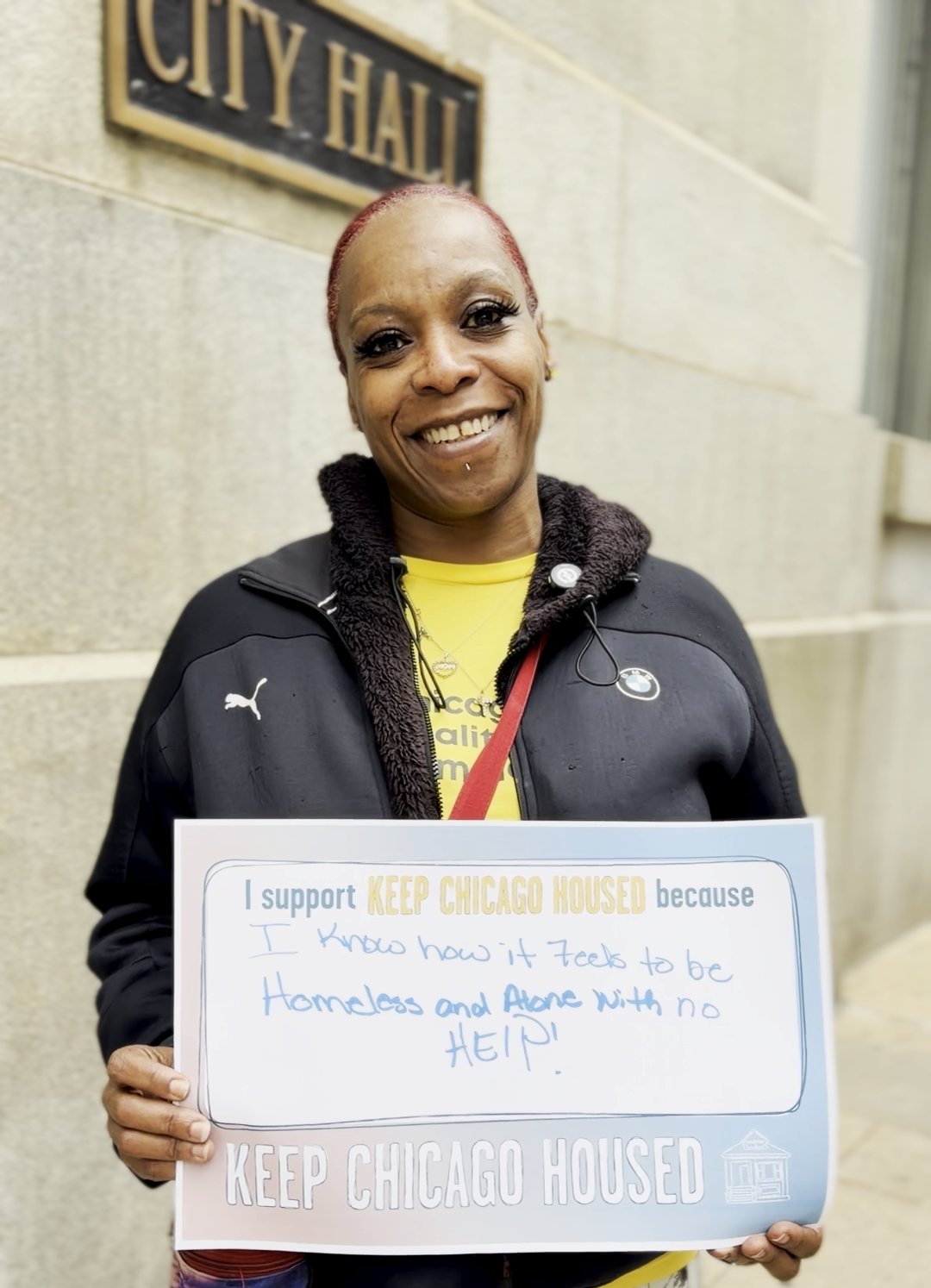
As a member of the Keep Chicago Housed campaign, CCH was at City Hall last week, urging our local leaders to protect roughly 3,000 Chicagoans from losing their homes by funding critical housing programs in next year’s city budget.
Members of our coalition testified in support of these important priorities prior to two important budget hearings for the Department of Housing and the Department of Family & Support Services.
We made our voices heard: Permanent housing is not only the right thing to do, it’s the most cost-effective and evidence-based solution to homelessness. Keep Chicago Housed is advocating for priorities backed by people with lived experience, service providers, and concerned community members.
Brian Campbell, a resident services manager at Mercy Housing Lakefront’s Delmar Apartments, shared the crucial role the Chicago Low-Income Housing Trust Fund plays in providing stability to the residents he serves:
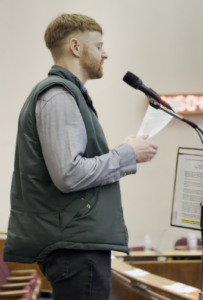
“As anyone who’s tried to rent an apartment in the private market in Chicago recently knows, without this subsidy, these individuals have no place else to go. It’s important to me that Chicago can continue to be a home for these neighbors of ours. The Trust Fund makes this possible by providing reliable rental subsidies, so we can offer affordable units and continue serving residents who might otherwise struggle to find or keep housing in Chicago.”
Tonnette Hendricks Sanders, a landlord engagement specialist from the Center for Housing and Health shared:
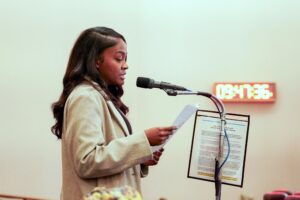
“As a housing provider, I see how housing instability affects every aspect of a person’s life. Housing is the foundation that makes it possible for people to access services, address other challenges, and build a future.“
Samuel Rose, a grassroots leader with Jewish Council on Urban Affairs (JCUA) said:
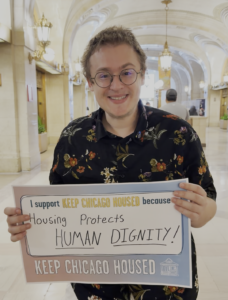
“Without a consistent place to live, I couldn’t focus on my tests, my grades, who I wanted to be when I grew up, and my college applications. Ending permanent supportive housing will result in immediate suffering from families that are no longer able to be housed. It will result in long-term suffering on their minds and their bodies, and it will result in an uncalculable loss to our future.”
Peter Toepfer, CEO of All Chicago, the city’s Continuum of Care (CoC), which works with non-profit and government partners to respond to homelessness:
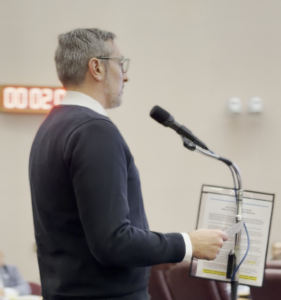
“When we underfund the [homeless response] system, we don’t save money. Instead, we simply shift the cost to our emergency rooms, our first responders, and our justice system. Investing in a robust homeless response system is the most fiscally responsible way and the most humane decision this council can make.”
Tedd Peso, director of strategic partnerships at The Night Ministry spoke about the impact that federal cuts will have on programs like theirs and the effectiveness of permanent supportive housing:

“Behind these numbers and federal programs are our neighbors. Neighbors who have worked hard to find stability, connect with services, and have a place to call home. Permanent supportive housing is one of the most effective tools we have today to address homelessness. It combines affordable housing and support services to help people maintain their housing, access health and mental health care, and develop independence and build stability.”
Carol Sharp, CEO of The Night Ministry, shared the effectiveness of the Flexible Housing Pool (FHP) as the largest provider of youth-focused FHP services in Chicago, with 95% of their clients staying stably housed last year: