
When asked about a list of potential cuts in next year’s budget, columnist Rich Miller recently noted the governor’s office said funding to address homelessness had been cut due to “lower demand.” This statement defies logic at a time when hundreds of thousands of low-income Illinoisans are being destabilized through losing access to the Supplemental Nutrition Assistance Program, or SNAP, benefits and the U.S. Department of Housing and Urban Development is threatening to defund many permanent supportive housing units throughout the state.
In fact, the state’s Home Illinois Plan to prevent and end homelessness has identified a shortage of 4,236 shelter beds, 10,428 rapid rehousing units and 10,972 permanent supportive housing units in Illinois.
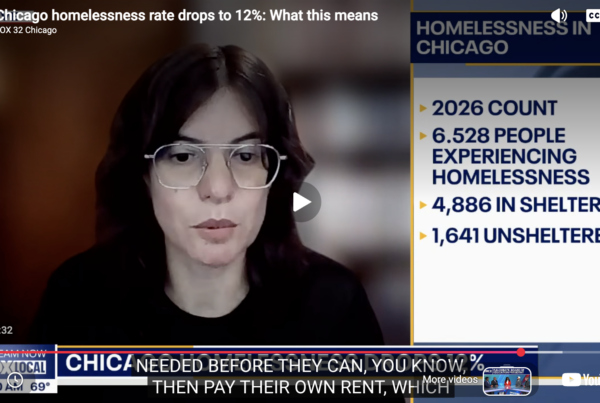
Although the state’s point-in-time count (a one night count of people experiencing homelessness required by HUD) showed a 44% decrease from 2024 to 2025, the number can be entirely accounted for by the decrease in newly arrived migrants to Chicago. If you remove newcomers from the count, homelessness in Illinois increased from around 10,000 in 2023 to nearly 15,000 in 2025.
Homelessness is a serious and growing problem in Illinois, and funding to address it should not be on the chopping block. Rather, budget increases are needed for prevention, shelter, housing and other needs. There are proposals on the table in Springfield to tax the wealthy and corporations to generate new revenue for the state. We don’t need to take away services from our state’s most vulnerable residents. We call on the Legislature to pass the progressive revenue bills and increase, rather than decrease, funding to end homelessness.
Julie Dworkin, co-executive director, Institute for the Public Good
Bob Palmer, policy director, Housing Action Illinois
Doug Schenkelberg, executive director, Chicago Coalition to End Homelessness