
Her life was stable.
Born in the Philippines, Carmen Laude eventually settled in Chicago, where she held an office job and enjoyed a healthy degree of independence.
Then came her late husband’s cancer diagnosis. The medical debt. And in 2021, at roughly the age of retirement, Laude became homeless.
Being unhoused is hard — for anyone. But for Laude, a physically disabled 73-year-old woman who uses a wheelchair and a walker to get around, homelessness presents a heightened set of complications.
“Starting over is very difficult because things that you already accumulated are gone again,” Laude told Straight Arrow. “So you have to search again where you can find things that you need.”
From the article:
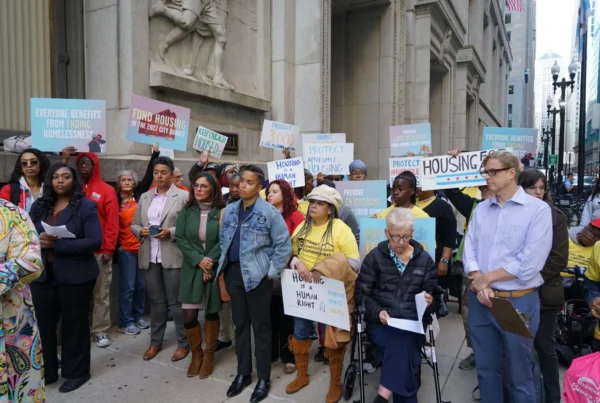
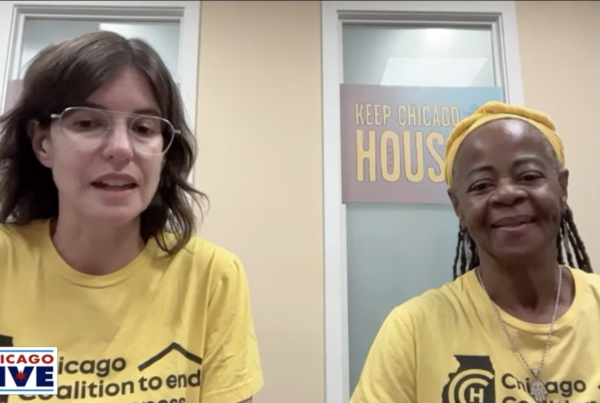
Kyle Voils, a senior attorney with the Chicago Coalition to End Homelessness, said people with disabilities face barriers throughout Chicago’s homelessness system. That can include inaccessible transportation options to emergency shelters, shelters that lack elevators, grab bars, walk-in showers or accessible sleeping arrangements and settings where people with various disabilities create difficult environments for people with psychiatric disabilities such as PTSD.
“There is a dearth of accessible, affordable housing in particular,” Voils said.
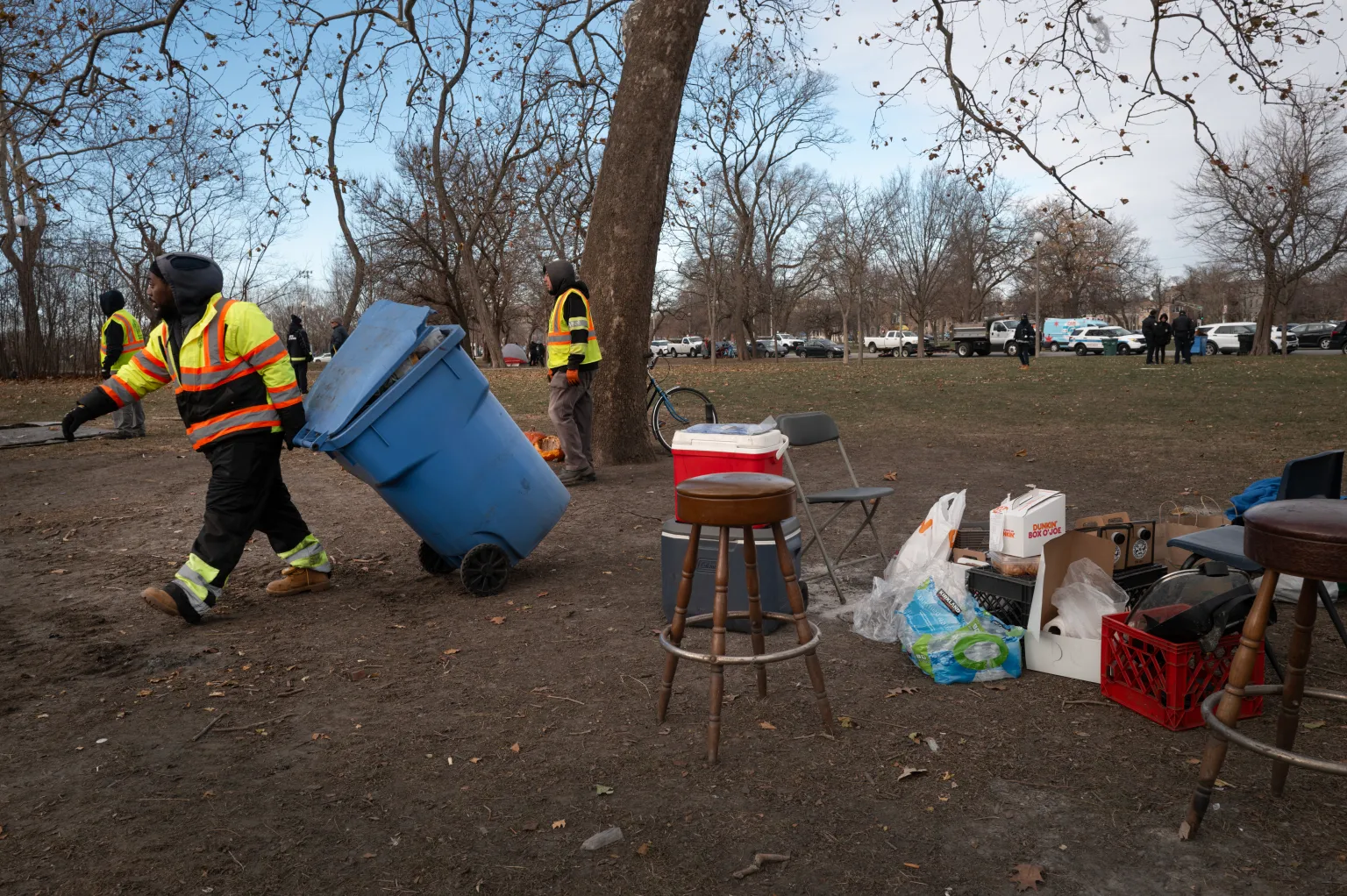
Then there’s the very real risk of losing mobility devices, medications, medical supplies and identification that are essential to daily life during encampment closures, which Voils said can put disabled residents at risk. Even when a medical device is discarded accidentally, Voils said, replacing it can be difficult and the consequences of going without it can be severe.
For Laude, the biggest frustration is that moving people out of an encampment doesn’t answer the question of where they go next. After Legion Park was closed, she said residents moved to another nearby encampment, which she worries will close as well. And as winter approaches, Laude said she hopes city workers will talk to encampment residents to understand their needs before the workers remove tents or belongings.
“I want a good ending for everyone out there. Not only at Legion, but for everyone going through this,” she said. “Don’t treat us like we are nothing. We’re human beings.”
Voils agreed, saying there is no substitute for actively listening to disabled residents first and prioritizing accessible permanent supportive housing.
“The encampment sweeps are inherently dehumanizing,” he said. “They take a severe toll on encampment residents who are already ‘othered’ by society greatly. People in our country have a right to exist. It’s one of the most foundational parts of our democracy and that means they have a right to exist in place.”