
The federal government plans to move away from funding Permanent Supportive Housing programs, which provide apartments and wraparound social services. It could leave over 3,000 Chicagoans at risk of falling back into homelessness.
CHICAGO — When Mildred Jenkins finally found a home at Deborah’s Place, it was one of the best things that ever happened to her.
After living in the organization’s shelter for a year, she got her own apartment through the nonprofit’s Permanent Supportive Housing program, which subsidizes long-term housing for people experiencing homelessness. Living in the Deborah’s Place apartment building meant easy access to food, an employment specialist and health offerings through the program’s wraparound services.
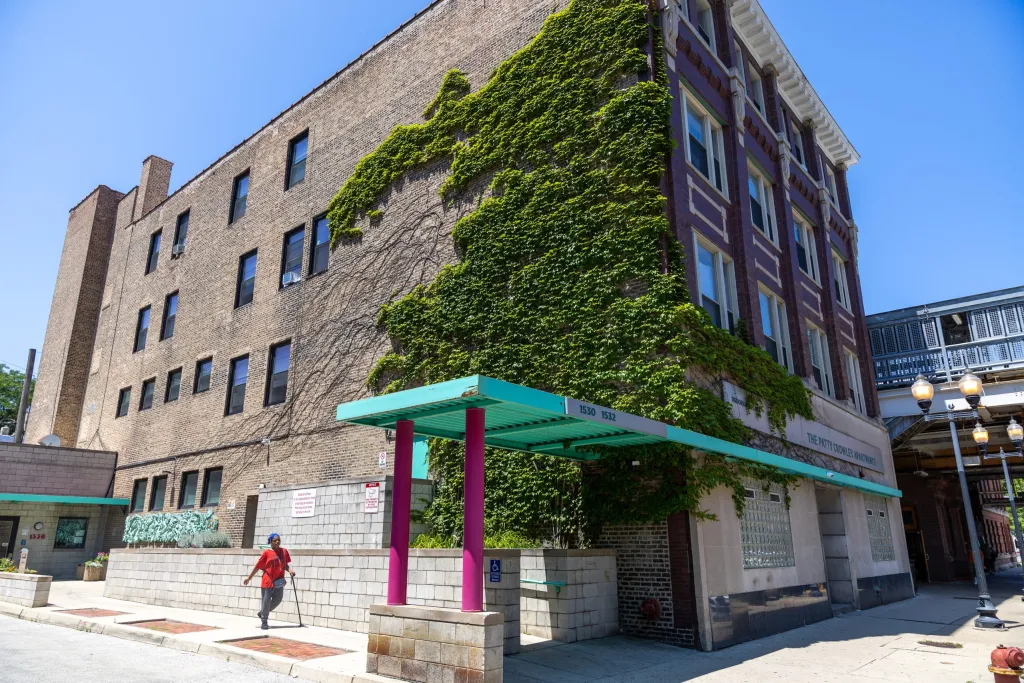
“I didn’t have anything, and they fully furnish apartments for you,” Jenkins said. “They give you a bed, a dining table, dishware — things that you need — and I thought that was the greatest thing. It offers so much more than you expect.”
But the same program that changed her life could be in jeopardy due to potential federal funding cuts, according to Chicago housing providers and homelessness prevention organizations.
From the Article:
Permanent Supportive Housing is a federally funded program that offers long-term housing assistance to chronically homeless people who may face severe mental illness or substance use disorder. Unlike transitional or temporary shelters, participants in the program sign standard leases with no limits on the length of stay. Providers also pair housing assistance with voluntary support services, including community-based health care, substance abuse treatment and employment services.
Changes to the program, as announced by the U.S. Department of Housing and Urban Development in June, could leave nonprofits without funding for long-term housing by next year.
From the Article:
”All of the women that we’re serving have disabilities that would be barriers to them all of a sudden going out to get a full-time job. Many of them get Social Security or disability income, and that is not enough to afford fair-market rent. If we converted to transitional, they would have two years of a subsidy, and then they would be on the streets. It’s like going backwards 20 years to that old system that didn’t work well, while we currently have a system that’s working.
Kathy Wilsonexecutive director of Deborah’s Place