2025 posed some unique challenges for people experiencing homelessness, service providers, and advocates. We’re seeing drastic cuts made to critical funding at the state and federal level. Uncertainty around health care, food assistance, housing, and education is making it harder for everyday Illinoisans to make ends meet as the cost of living continues to rise. Meanwhile, federal and local leaders alike are choosing to punish people for experiencing homelessness rather than responding with compassionate, proven solutions.
But throughout these challenges, CCH and partners remain vigilant in standing up for the rights of people who have been forced into homelessness. And together, we made important strides in 2025.
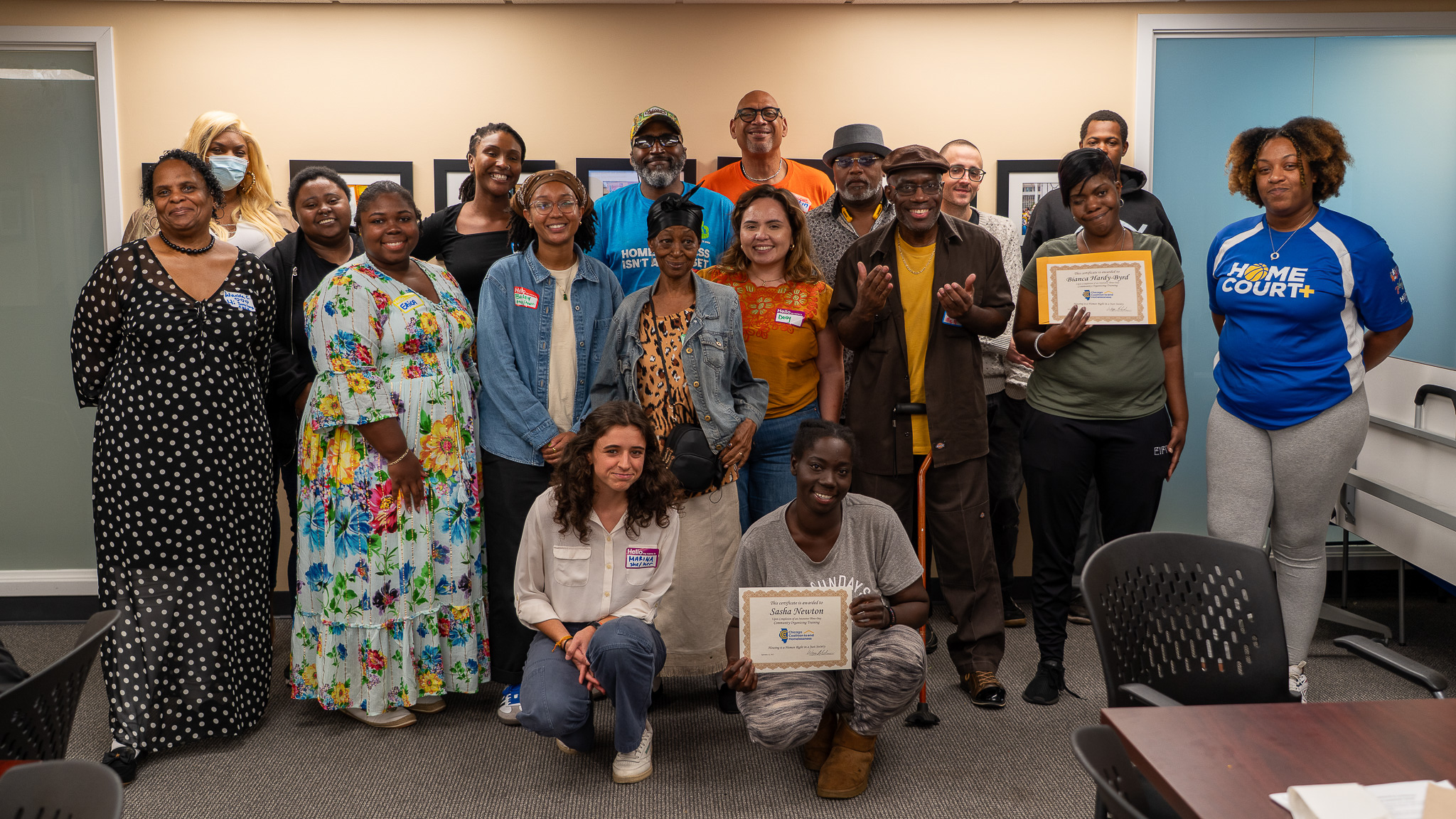
CCH’s work has always been grounded in the belief that the people who have experienced homelessness must guide our priorities and initiatives, recognizing that those who are closest to the problem are also closest to the solution. In 2025, our community organizers connected with 3,006 people impacted by homelessness during outreach, meetings, one-on-ones, events, and actions in Chicago and across Illinois, engaging those who are interested in our advocacy.
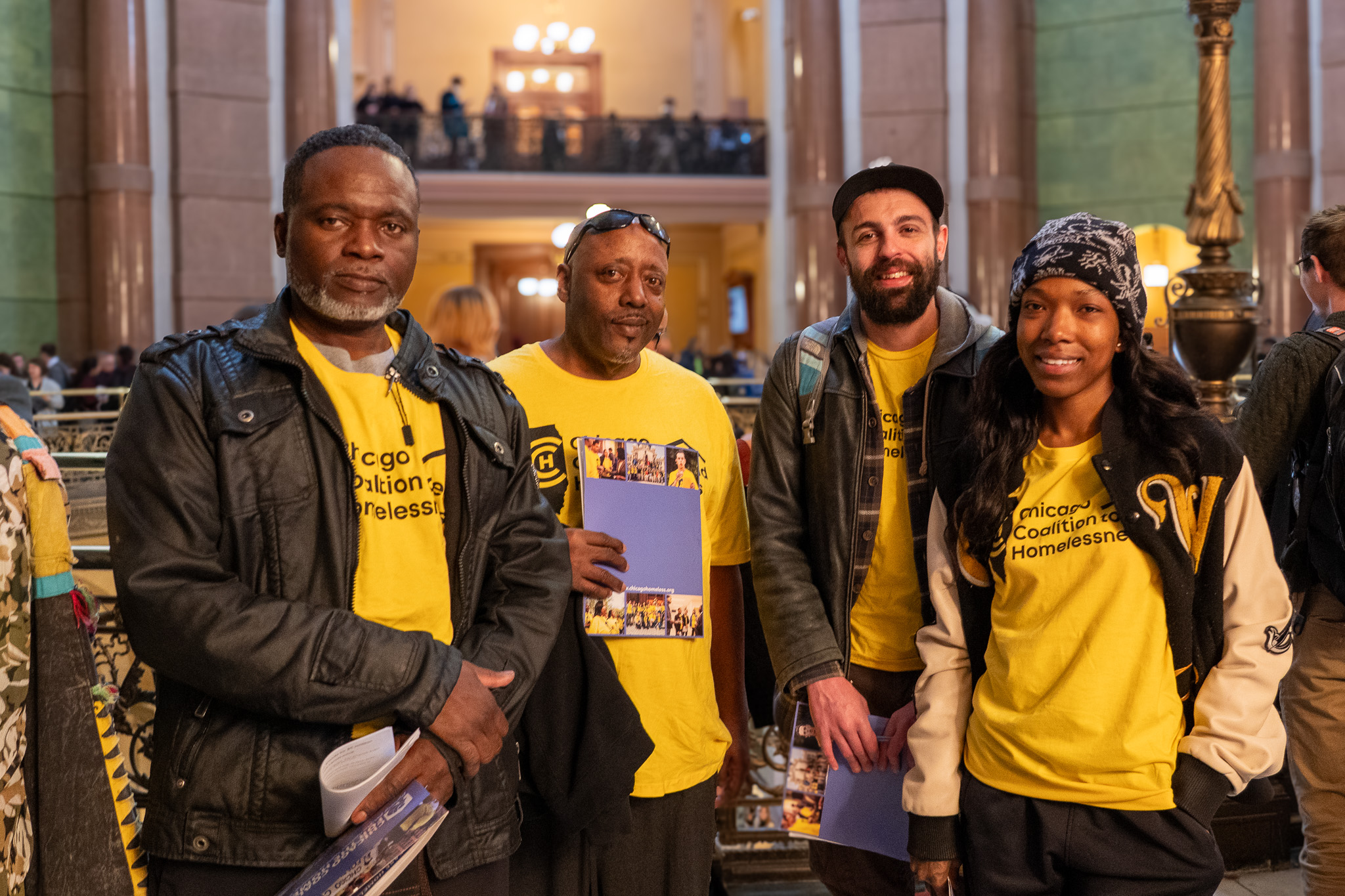
Over the course of the 2025 legislative session, CCH hosted eight lobby days, traveling to Springfield with 135 grassroots leaders, youth advocates, high school students and teachers, as well as the Homeless Prevention Coalition, a statewide coalition of homeless service providers and Continuum of Care (CoC) staff.
Together, we advocated for several statewide measures to help remove barriers for people experiencing and at risk of homelessness and better equip service providers to address homelessness in their communities. Two CCH-backed bills were passed unanimously in both chambers of the General Assembly and signed into law by Governor Pritzker, expanding access to assistance for domestic violence survivors and increasing transparency in education funding for homeless students.
Our Law Project provides direct legal assistance to people experiencing homelessness, with a special focus on supporting youth. Attorneys represent clients navigating a range of legal issues, including educational rights, public benefits, family law, housing, criminal records relief, and accessing identification documents. In 2025, we closed 404 cases for 343 clients, 48% of whom were students or youth clients aged 24 or younger.
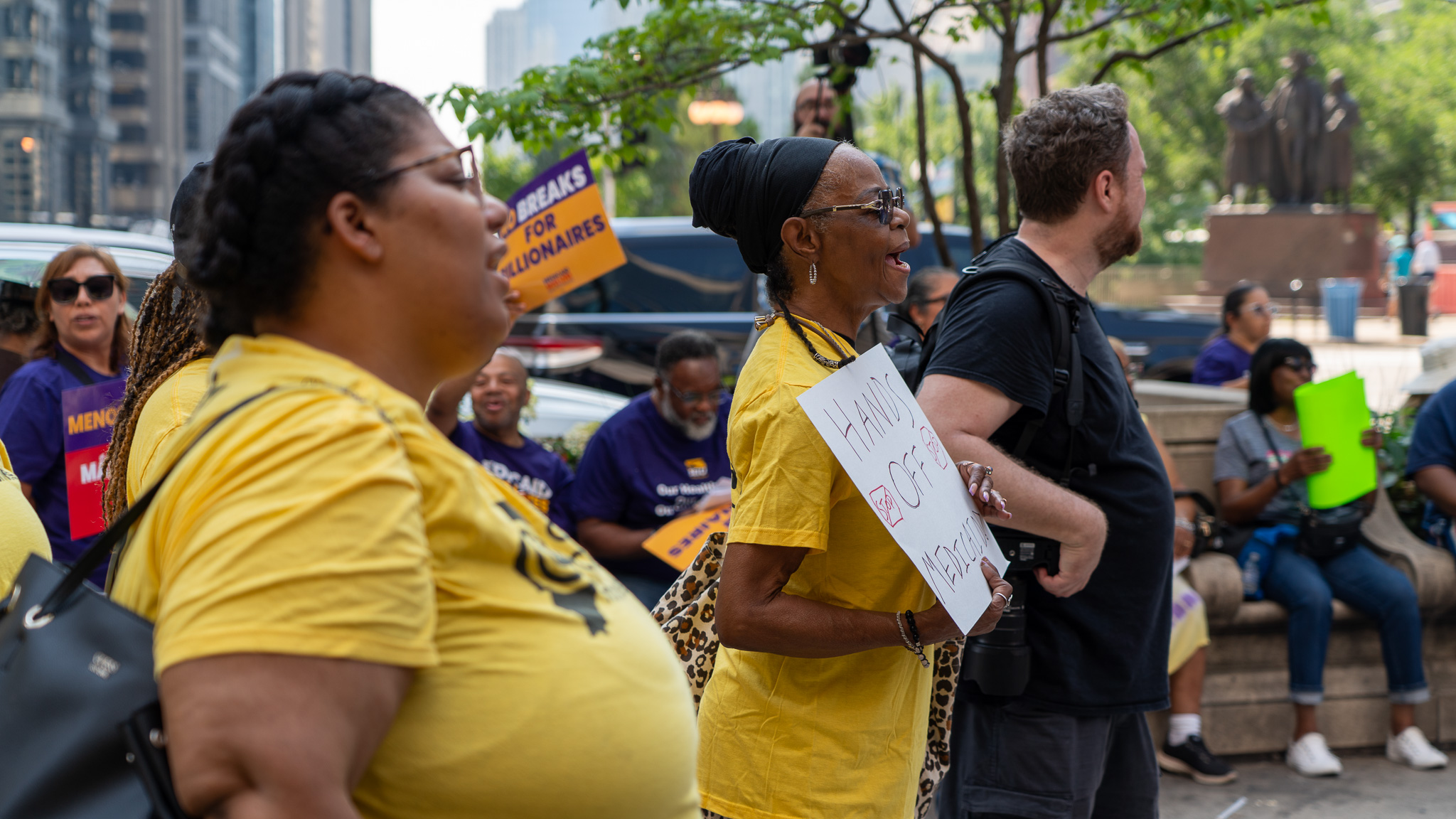
While CCH’s advocacy efforts have historically focused on city- and state-level issues, recent policy and funding changes coming from the federal government have caused grave concerns requiring CCH to take a more active role in federal advocacy. CCH has spoken out against several harmful actions the Trump administration has taken over the last year.
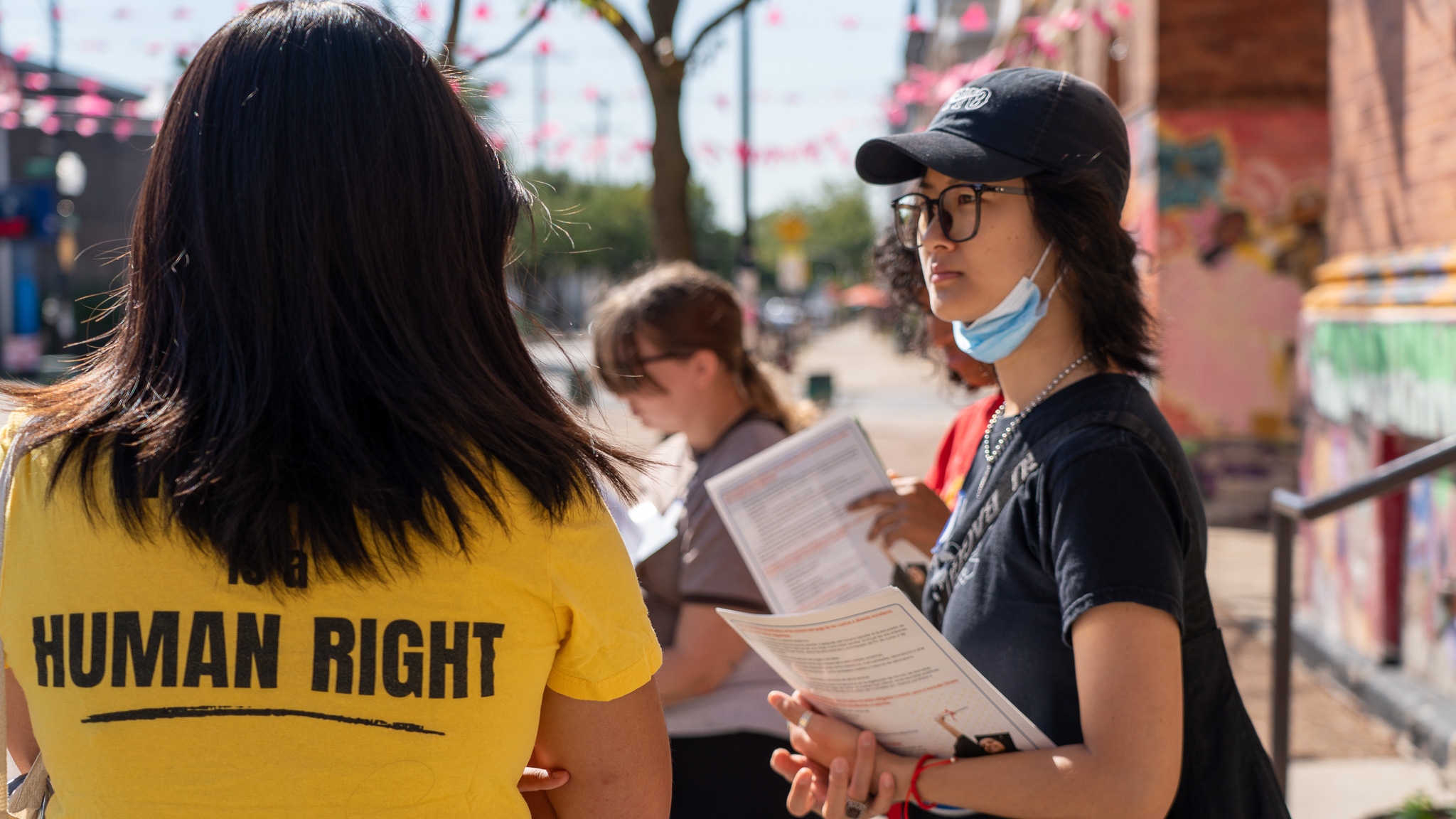
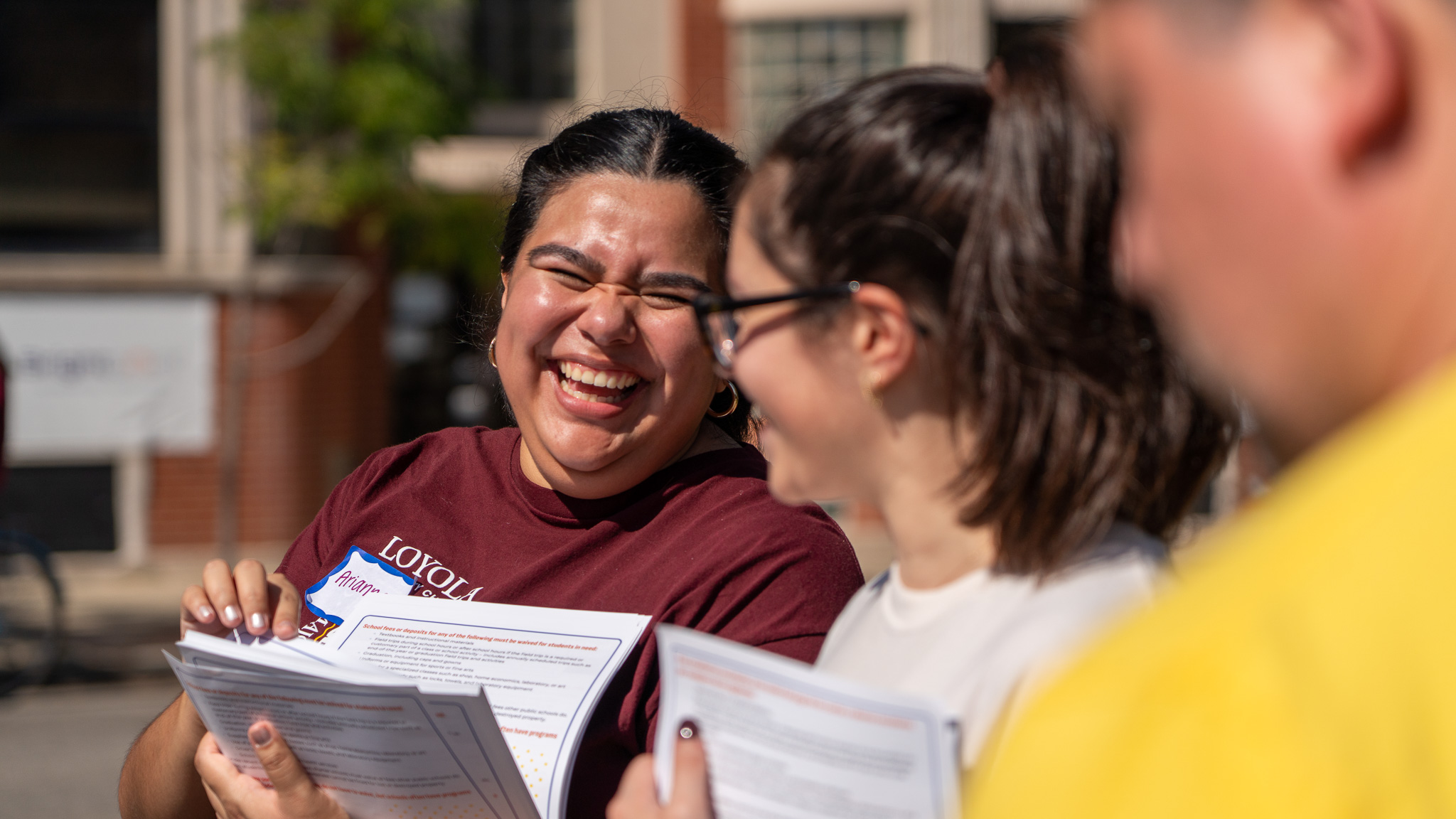
We have joined with other advocates to push back on misguided and counterproductive policy changes. In response to threats of federal deployments in Chicago, CCH staff worked with All Chicago and the city’s Department of Family and Support Services (DFSS) to create resources to educate unsheltered people on their rights, with more than 8,000 palm cards distributed to encampment and shelter residents across the city.
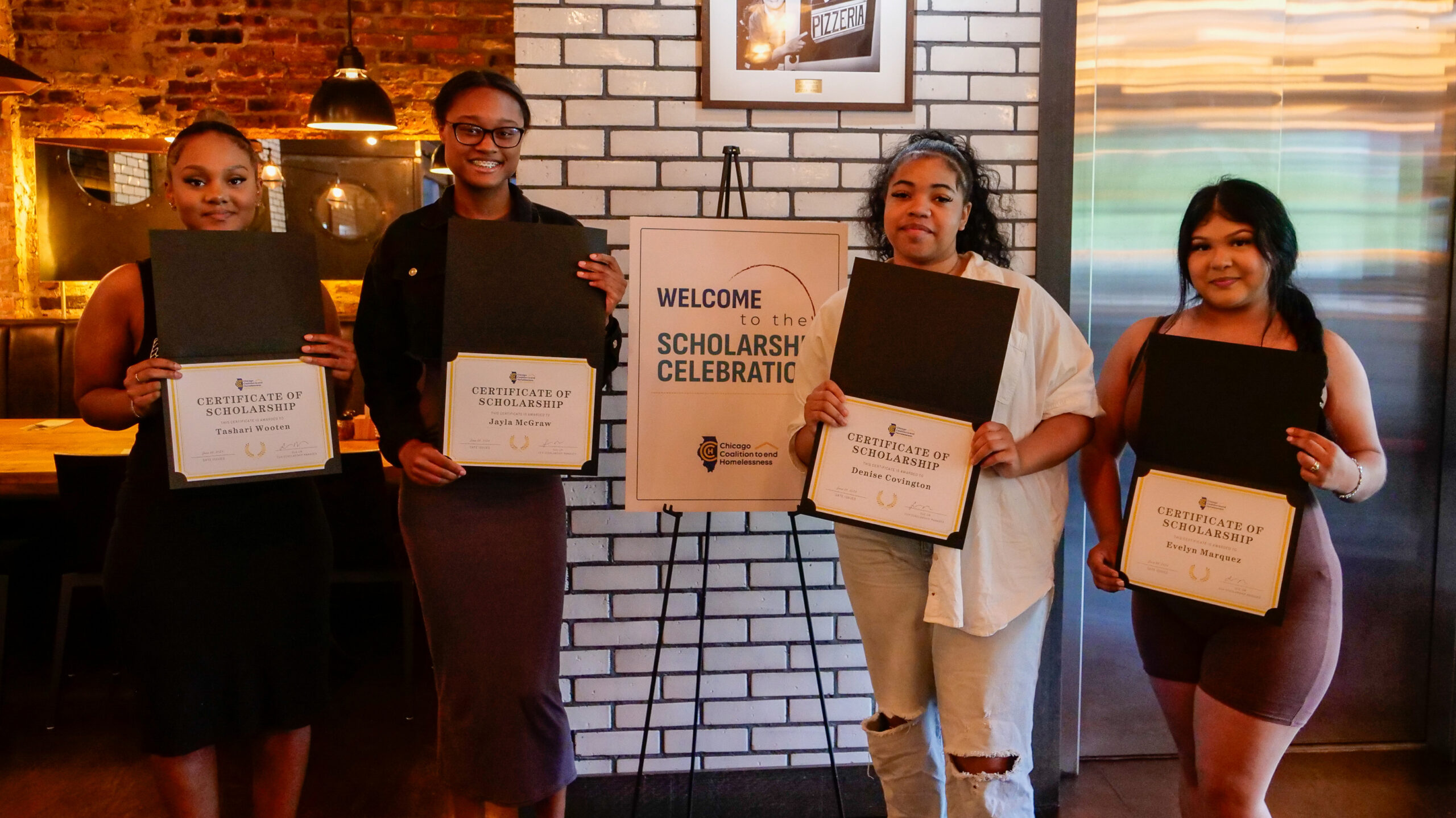
To meet immediate needs, we provided direct financial assistance to 182 households experiencing or at risk of homelessness through our Edrika Fulford Mutual Aid Fund, with emergency grants totaling $91,000. We also provided college scholarships to 23 undergraduate students impacted by homelessness.
Thank you for standing with us over the last year. Our work would be impossible without the strong coalition of people with lived experience, service providers, advocates, institutional partners, donors, supporters, and volunteers who join us in the fight to ensure everyone has a safe, welcoming, and permanent place to call home. Our strength lies in our collective power, so thank you for being part of our shared mission to prevent and end homelessness.