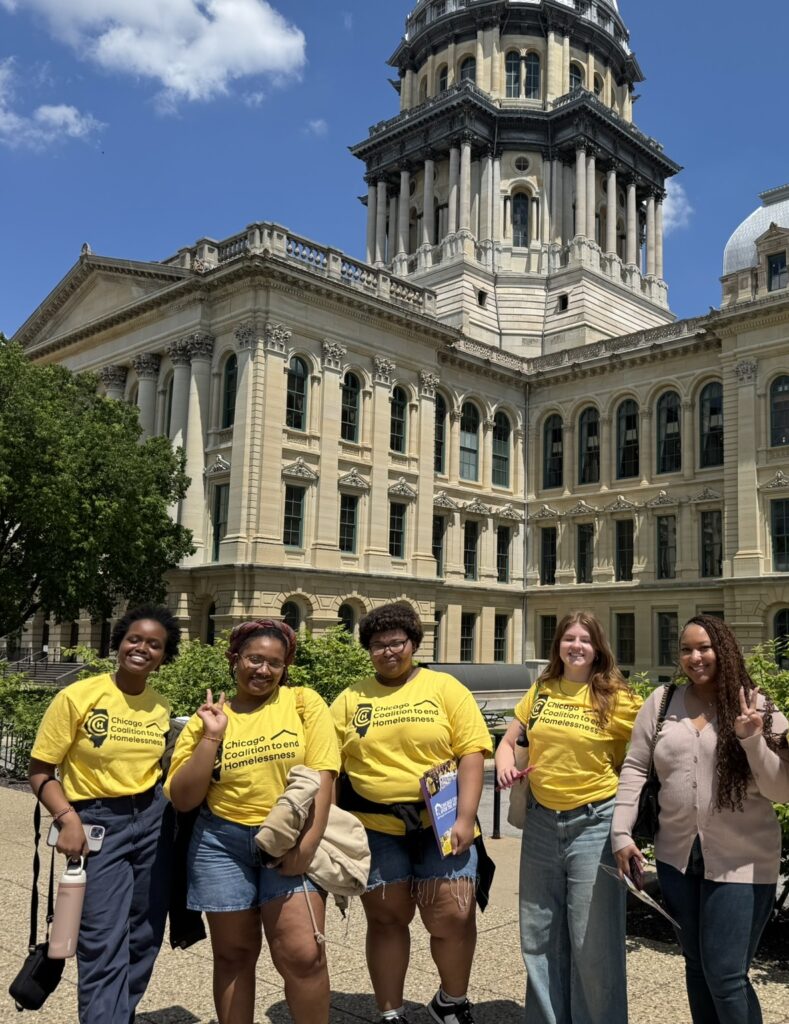
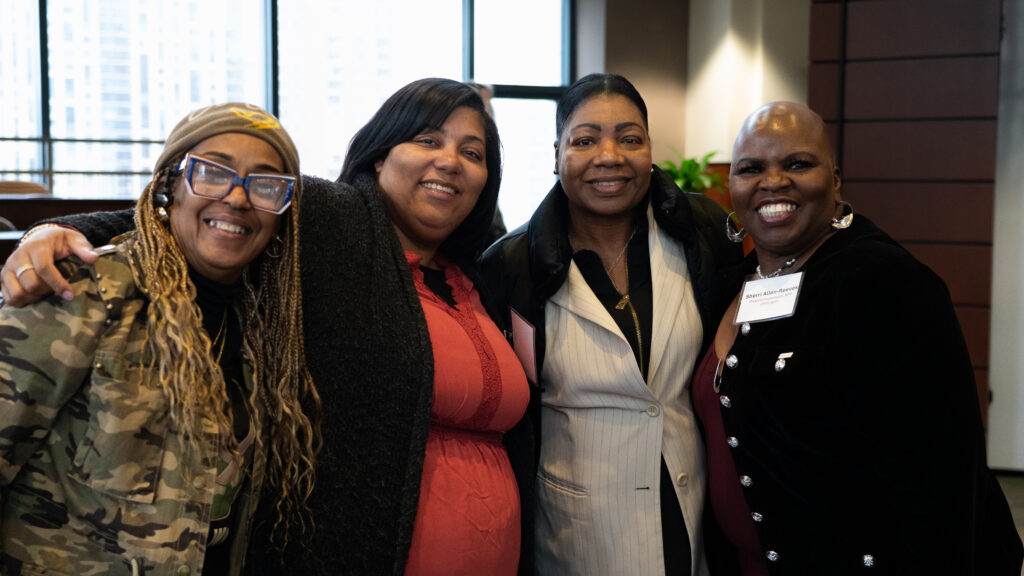
As the Illinois General Assembly’s annual legislative session begins, CCH policy and organizing staff, alongside our grassroots leaders and organizational partners, are in Springfield advocating for important legislation to support people experiencing or at-risk of homelessness.  

Each year, CCH brings grassroots leaders, youth advocates, high school students, and service providers from Chicago and across Illinois to Springfield to meet with their elected officials. During these lobby days, participants share their personal experiences and urge legislators to support CCH’s policy priorities, as well as crucial funding in the state budget. 

CCH 2026 Legislative Agenda

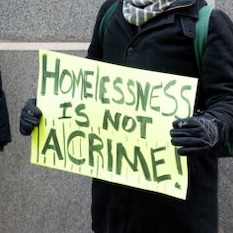
In response to the United States Supreme Court’s decision to criminalize homelessness, CCH will continue to work alongside Housing Action Illinois and other advocates on state legislation to prohibit municipalities from passing ordinances that allow for the arrest or ticketing of individuals who are experiencing homelessness.  

Illinois is currently second in the nation, after California, in the number of municipalities passing these ordinances—sometimes even before homelessness is an issue in their community. At last count, there are between 30-35 ordinances in place across Illinois.  

These ordinances further isolate and marginalize people experiencing homelessness, as well as the organizations in the community providing services to them. Additionally, the penalties imposed by these ordinances can create additional barriers for people when attempting to secure housing or employment. Having a ticket or arrest on your record can dissuade a landlord from providing a lease or an employer from offering a job.  

More than a year after the Grants Pass decision, our research into the impacts these ordinances have had on local enforcement shows that people are frequently ticketed repeatedly without changes to their housing status. After being ticketed by law enforcement or receiving a summons to appear in court, those experiencing homelessness often lack the resources to appear or pay the ticket. In one instance, a crime was committed against a person who was sleeping in a park, but when she reported it to the police, the officer informed her that she could be arrested for sleeping in the park.  

Sponsors: Olickal – Welch – Avelar – LaPointe – Canty

Bill Status: 

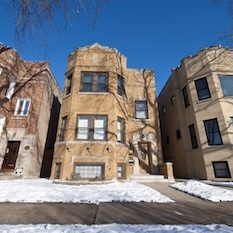
Municipalities throughout Illinois have enacted so-called “crime-free housing and nuisance property” ordinances (CFNOs) under the guise of fighting crime and keeping communities safer by allowing the police and landlords to evict tenants who are accused of breaking the law. However, in practice, CFNOs establish a system that forces housing providers to unfairly penalize and sometimes even evict tenants based only on an alleged criminal or nuisance activity—no matter how minor. This often means pushing families into instability and even homelessness, ultimately undermining public safety.  

CFNOs frequently exclude people of color from housing and endanger our community’s most vulnerable members. This includes survivors of domestic violence and people with disabilities, whose calls for emergency services or the police have led to eviction rather than the assistance needed. Furthermore, these ordinances often violate fair housing and other civil rights laws. 

The Community Safety Through Stable Homes Act would help protect people from unfair discrimination, keep families in their homes, and encourage more effective responses to criminal activity in local communities.   

Sponsors:

Bill Status:

For over fifteen years, Illinois has neglected to fund homeless education, which would support school districts in novel interventions to identify and assist students experiencing homelessness. Estimates indicate that up to 55,000 students experiencing homelessness are not identified by school districts or provided with services in Illinois.  

The number of students experiencing homelessness in Illinois increased by 30.86% between the 2020-21 school year and the 2021-22 school year. In response to the crisis, the federal government stepped in with COVID relief funds which included funding for homeless education, but that support ended in September 2024. With current efforts to dismantle the U.S. Department of Education while homelessness continues to rise, it is imperative that we reinstate funds for homeless education. CCH is advocating for $5 million designated in ISBE’s budget to provide much-needed funding for school districts to better support homeless students.  

This flexible funding allows districts to support students’ most immediate needs, like purchasing a washer and dryer for students experiencing homelessness to clean their clothing before or after school or refurbishing decades-old on-campus showers, giving students a consistent place to maintain their hygiene. These small interventions can go a long way to improve attendance rates for students experiencing housing instability. 

Sponsors: Faver Dias – Collins

Bill Status:

People exiting incarceration are frequently released with little to no resources to get back on their feet. The first forty-eight hours after release are the most important for a returning citizen. Having adequate resources, like a supportive community to return to and a safe place to sleep, are paramount to their readjustment.  

Colloquially referred to as “gate money,” funds are sometimes provided to individuals upon release to help with immediate needs like housing, toiletries, food, a phone, or transportation. Ensuring adequate gate money for returning citizens will help individuals re-enter society with a better chance of stability and avoid homelessness, unemployment, or recidivism. Advocacy by grassroots leaders with lived experience of incarceration from CCH and Cabrini Green Legal Aid aims to increase these funds. 

How State Legislation Moves Through Springfield

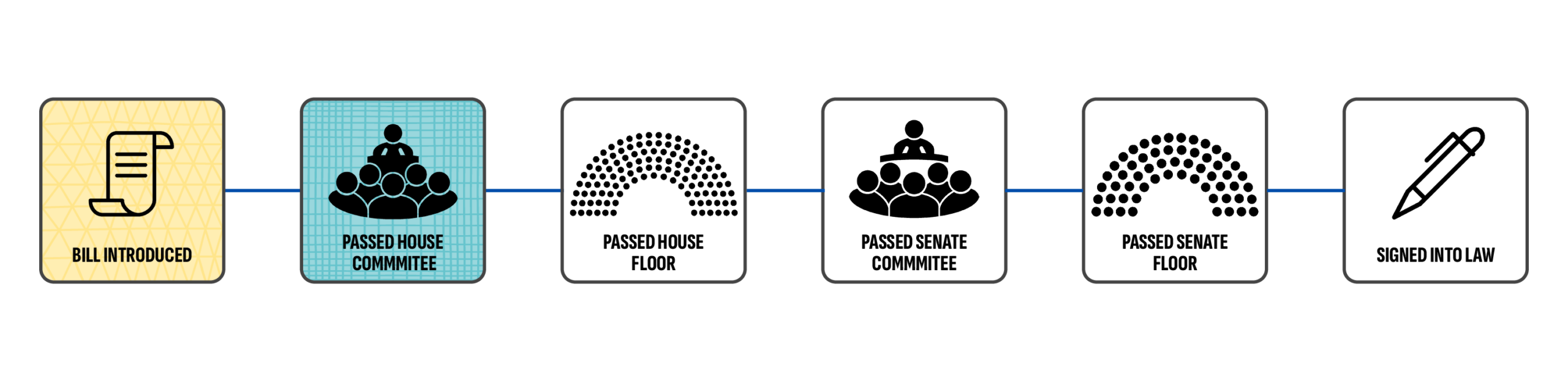
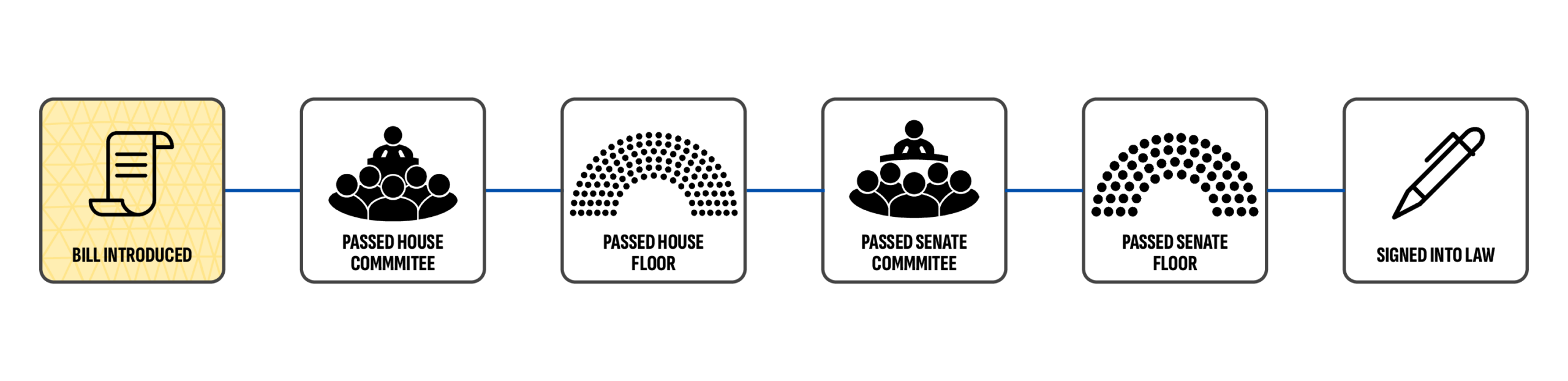
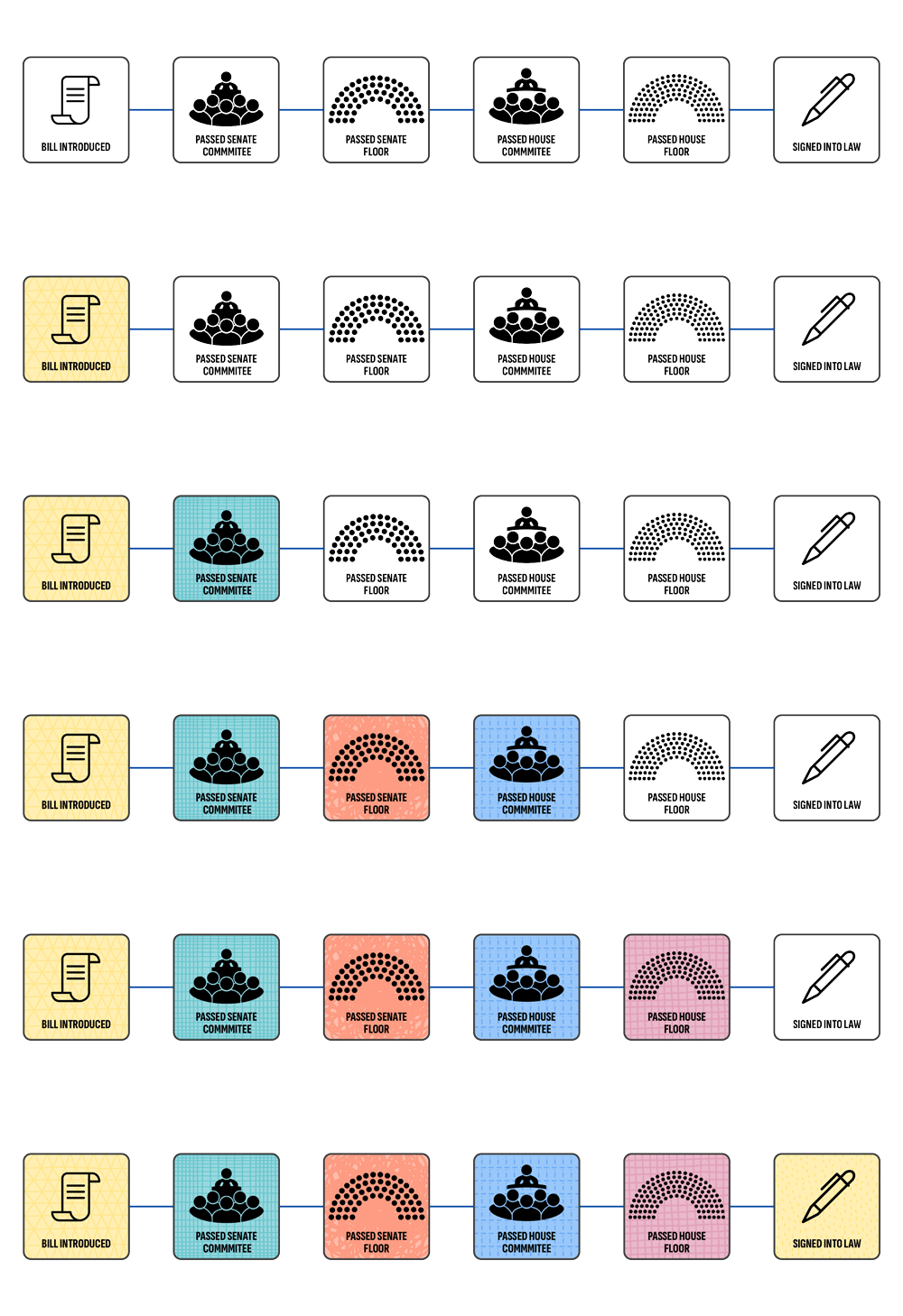
Once a bill is introduced in the House and/or Senate, it must be assigned to a committee, where it will be discussed until the committee decides it is ready to pass. After the bill passes from committee, the bill will move to the floor where the entire House/Senate will discuss, amend, and eventually pass it. This process is repeated in the next chamber, and once it passes through both the House and Senate, the Governor will be able to sign the bill into law.

Status of bills within the Illinois Legislature are tracked on the Illinois General Assembly’s website.

Chicago Coalition to End Homelessness does not accept government funding. Instead, when CCH advocates for public support, it is for the programs that shelter, house, and assist youth, students, families, and adults impacted by homelessness and poverty.

Filter

Tell Congress: Vote NO on Cuts to Medicaid

Leaders in Congress are attempting to make significant cuts to Medicaid and other vital services through…
May 29, 2025 Read More
The cover of CCH's Year in Review 2024. The page is blue with a pattern made of multicolored icons.

Our Impact Last Year: Highlights from 2024

We are excited to share our 2024 Year in Review, highlighting the impact we’ve made…
April 25, 2025 Read More

CCH Staff and Leaders Speak on the Criminalization of Homelessness at Loyola Law School Symposium

Sam Paler-Ponce, Associate Director of City Policy Across the United States, laws and policies continue to…
April 10, 2025 Read More
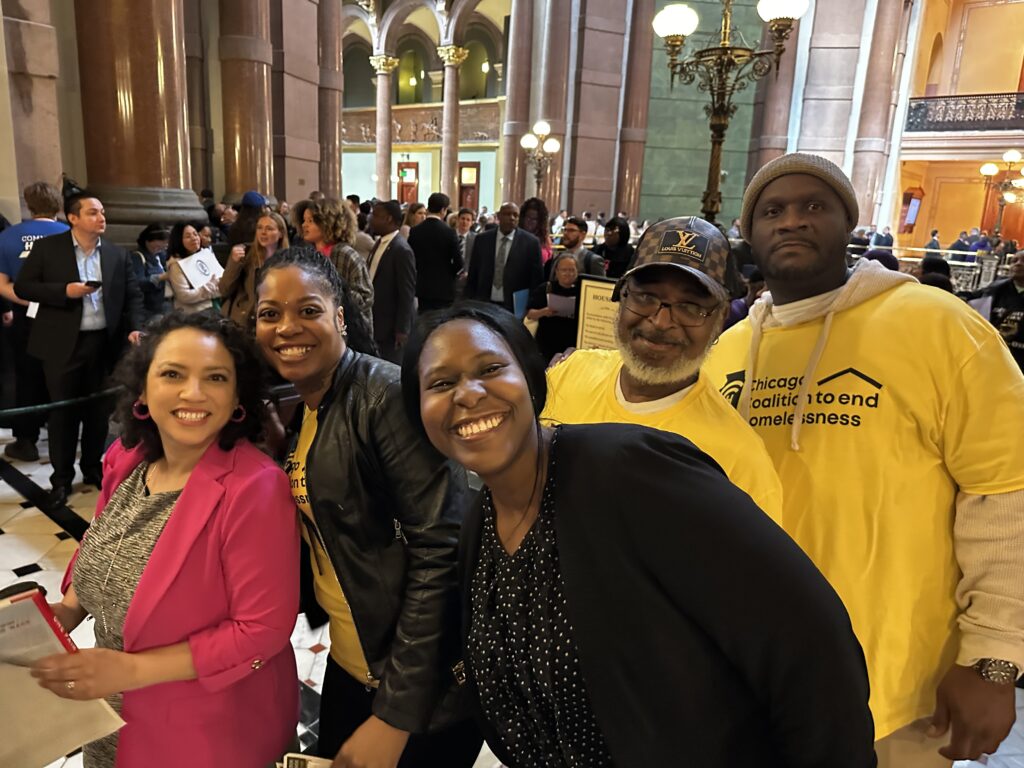
A group of people, some wearing CCH shirts, smile for the camera. They are in a crowded room at the Illinois Capitol building.

CCH’s 2025 Legislative Agenda

The 2025 legislative session is underway, and CCH policy and organizing staff, along with our…
March 19, 2025 Read More
CCH Advocating

2024 Illinois Legislative Session Wrap Up 

This spring Chicago Coalition for the Homeless (CCH) advocated for several statewide measures in Springfield that…
May 31, 2024 Read More

College Access Bill passes Illinois General Assembly

SB190 received bipartisan support and passed both chambers of the Illinois General Assembly unanimously. By…
May 25, 2021 Read More